
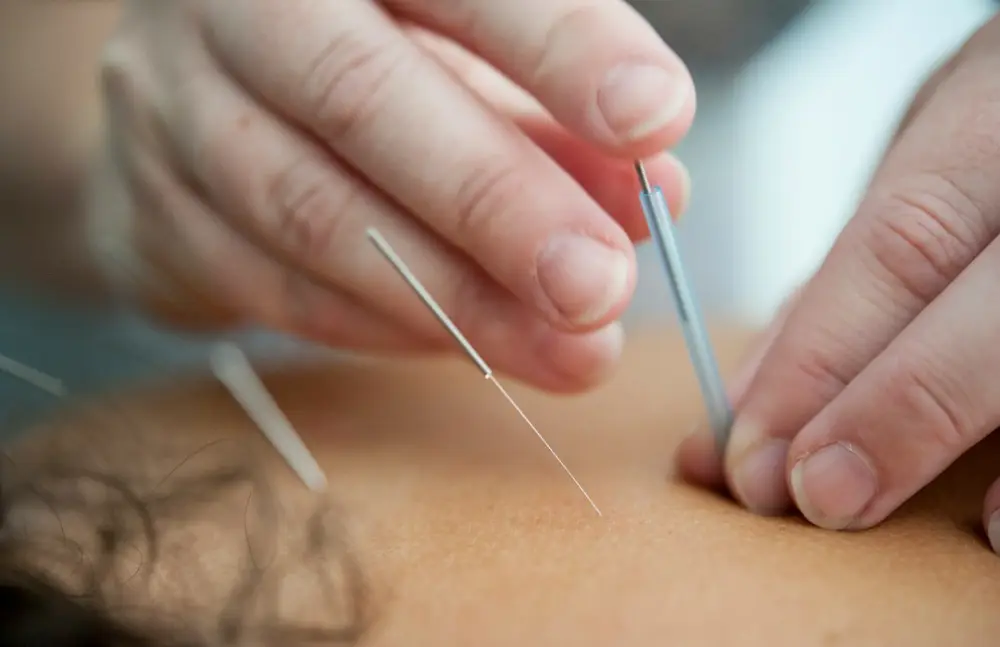
Acupuncture for pain relief is a clinical practice where thin, sterile needles are inserted into specific anatomical points on the body to stimulate the nervous system. This process triggers the release of natural painkillers, like endorphins, and regulates blood flow to reduce inflammation and alleviate chronic physical discomfort without the use of invasive surgery.
Managing long-term pain often requires a multifaceted toolkit rather than a single solution. Patients often find that combining physical therapies with changing what we eat can actually reduce systemic inflammation and provide a more sustainable path to recovery. Acupuncture fits into this routine by addressing the neurological side of pain signals while you work on other lifestyle adjustments.
What acupuncture for pain relief means
In a clinical setting, acupuncture is more than just the insertion of needles. It is a systematic approach to neuromodulation. When a practitioner identifies a "trigger point" or an "acupuncture point," they are looking for areas where nerves, muscles, and connective tissue can be stimulated. This stimulation increases blood flow to the area while simultaneously signaling the brain to release chemicals that dull pain.
For example, a patient suffering from chronic lower back pain might have needles placed not just in the lumbar region, but also in the back of the knees or the hands. This is because the nervous system is interconnected; stimulating a point on the hand (such as the Hegu point) can send signals through the spinal cord that help modulate pain perceived in other parts of the body. Modern medical acupuncture often utilizes these anatomical maps to treat conditions like sciatica, degenerative disc disease, and tension headaches.
The needles used are significantly different from the hollow needles used for flu shots or blood draws. They are solid, filiform needles, usually no thicker than a human hair. Because they are so thin, the sensation is often described as a heavy or tingly feeling rather than the sharp sting associated with injections. In 2026, the practice is widely recognized by major health organizations as a legitimate component of an integrative pain management plan.
Why it matters for chronic care
The primary reason acupuncture has become a staple in chronic care is its ability to provide relief without the side effects associated with long-term pharmaceutical use. For individuals living with conditions like osteoarthritis or fibromyalgia, the goal is often to reduce the "pain load" enough to allow for physical therapy or daily exercise. When pain is dialed down from an eight to a four, a patient can move more freely, which in turn helps prevent the muscle atrophy and stiffness that often make chronic pain worse.
Consider the case of migraine management. Traditional treatments often involve rescue medications that can cause "rebound headaches" if used too frequently. Acupuncture offers a preventative alternative. By reducing the frequency and intensity of attacks through regular sessions, patients can often decrease their reliance on emergency medications. Research indexed by the National Institutes of Health suggests that the effects of acupuncture are cumulative, meaning the benefits often become more pronounced after a series of treatments.
Furthermore, acupuncture addresses the emotional toll of chronic pain. Living with constant discomfort often leads to a state of "fight or flight" in the nervous system. The relaxing environment of an acupuncture session, combined with the physiological release of oxytocin and endorphins, can help shift the body into a "rest and digest" state. This shift is vital for healing, as chronic stress can exacerbate the perception of physical pain.
How acupuncture works in the body
There are several scientific theories regarding how acupuncture functions. One of the most prominent is the Gate Control Theory. This suggests that the needles provide a non-painful stimulus that "closes the gate" to more intense pain signals traveling to the brain. Essentially, the nerves stimulated by the needles occupy the pathway, preventing the chronic pain signals from getting through as clearly.
Another mechanism involves the release of endogenous opioids. When the needles are inserted, the body perceives a minor "micro-trauma." In response, it releases natural pain-relieving chemicals like enkephalins and beta-endorphins. These chemicals are the body’s own version of morphine, but without the risk of addiction or respiratory depression. This is why many patients report a feeling of deep relaxation or even a slight "euphoria" during and after their treatment.
Local effects are also significant. In a scenario like lateral epicondylitis (tennis elbow), needles are placed around the affected tendon. This creates a localized increase in blood circulation. Improved microcirculation brings fresh oxygen and nutrients to the damaged tissue while helping to flush out metabolic waste products that contribute to inflammation. Some practitioners may also use electroacupuncture, where a small, pulsating electrical current is passed between the needles to enhance these effects, similar to how a TENS unit works but at a deeper tissue level.
Common misconceptions about treatment
One common myth is that acupuncture is purely a placebo or a matter of "belief." However, numerous studies on animals—who do not have the capacity for placebo expectations—have shown physiological changes in response to acupuncture. Brain imaging via fMRI also shows specific areas of the brain lighting up or calming down when certain points are stimulated, proving that there is a direct neurological response regardless of the patient's skepticism.
Another misconception is that the needles are painful. Most people are surprised to find that the insertion is nearly imperceptible. The "pain" people fear is usually based on their experience with hypodermic needles. Acupuncture needles are flexible and rounded at the tip, designed to slide between muscle fibers rather than cutting through them. You might feel a dull ache, a heavy sensation, or a slight warmth—signs that the point has been "activated"—but it should not be sharp or distressing.
Lastly, some believe that one session should "fix" the problem. While some people experience immediate relief, acupuncture for chronic pain is typically a process. Just as medical marijuana insights: what you should know often involve finding the right dosage and timing, acupuncture requires a consistent schedule to retrain the nervous system. Most practitioners recommend an initial series of six to eight treatments to see how the body responds before moving to a maintenance phase.
Key terms for patients
- Qi (pronounced "chee"): In traditional terms, this refers to vital energy. In a modern clinical context, it is often used to describe the functional activity of the nervous and circulatory systems.
- Meridians: These are the pathways along which acupuncture points are located. Many of these pathways correspond to major nerve bundles or fascial planes in the body.
- De Qi: This is the unique sensation felt when a needle reaches the correct depth and "grasps" the tissue. It is often described as a heavy, dull, or tingling feeling and is considered a sign that the treatment is working.
- Dry Needling: Often performed by physical therapists, this focuses strictly on muscular trigger points to release knots. While it uses the same needles as acupuncture, it does not follow the broader systemic maps used in traditional acupuncture.
- Moxibustion: A technique where a dried herb (mugwort) is burned near the skin or on the needle to add heat to the treatment, often used for "cold" types of pain like stiff joints in winter.
Integrating acupuncture into your routine
If you are ready to try acupuncture, the first step is finding a board-certified practitioner. In the United States, you should look for someone certified by the National Certification Commission for Acupuncture and Oriental Medicine (NCCAOM). These practitioners have undergone thousands of hours of training and passed rigorous exams. Many clinics today operate as "community acupuncture" centers, which offer treatments in a shared room at a lower cost, making it more accessible for those who need frequent sessions.
Before your first appointment, ensure you have eaten a light meal. Receiving acupuncture on an empty stomach can sometimes lead to lightheadedness. Wear loose-fitting clothing that can easily be rolled up to the knees or elbows, as many of the most powerful points are located on the extremities. During the session, be honest with your practitioner about your pain levels and any other treatments you are using, such as physical therapy or herbal supplements.
Track your progress in a pain journal. Note how you feel immediately after the session, but also pay attention to your sleep quality and energy levels over the following 48 hours. Often, the first sign that acupuncture is working isn't just a reduction in pain, but an improvement in overall well-being and a decrease in the "background noise" of chronic discomfort. Consistency is the key to moving from temporary relief to long-term management.
Holistic care and Helping Hands Cannabis
Acupuncture is a powerful tool, but it works best when it is part of a larger, cohesive strategy. At Helping Hands Cannabis, we focus on providing the information you need to build a comprehensive pain management plan. Whether you are exploring the anti-inflammatory benefits of specific cannabinoids or the neurological benefits of needle stimulation, the goal remains the same: reclaiming your quality of life.
By understanding how different modalities—like acupuncture and medical cannabis—interact with your body's natural systems, you can make more informed choices. Helping Hands Cannabis is dedicated to bridging the gap between traditional wisdom and modern wellness trends, ensuring that you have the practical resources necessary to navigate your chronic care journey with confidence and clarity.